
BOSNIA & HERZEGOVINA
Description.
BOSNIA & HERZEGOVINA: 4-5 DAY PRIVATE TOUR ITINERARY
Where East Meets West: Ottoman Heritage, Medieval Towns & Natural Wonders
TOUR OVERVIEW
| Duration | 4-5 Days |
| Best For | History, Culture, Nature, Photography, Food |
| Starting Point | Sarajevo |
| Ending Point | Sarajevo or Mostar |
| Highlights | Ottoman bazaars, UNESCO bridge, Waterfalls, Medieval villages, Mountain hamlets |
---
DAY 1: SARAJEVO – The Jerusalem of Europe
Where Cultures Collide
Morning: Old Town (Baščaršija)
Sarajevo's historic center is one of the best-preserved Ottoman bazaars in the Balkans, dating back to the 15th century
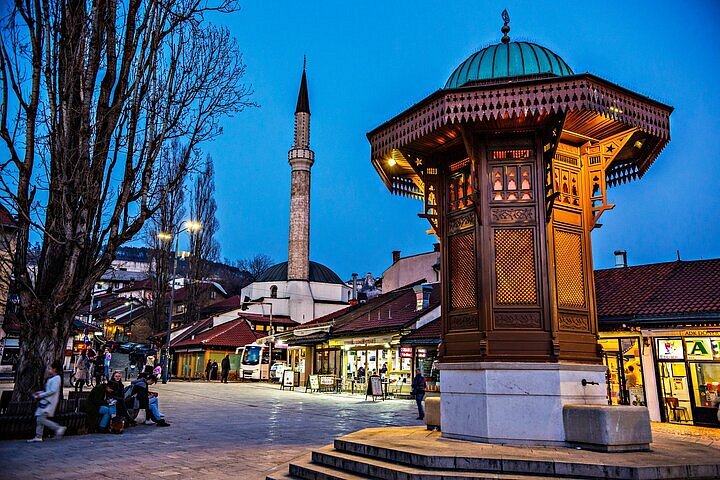
- Sebilj Fountain – Start at the iconic wooden fountain in the main square, symbol of Sarajevo
- Gazi Husrev-beg Mosque – Built in 1531, the largest historical mosque in Bosnia and Herzegovina. Stunning Ottoman architecture with a beautiful courtyard
- Old Orthodox Church (Crkva svetog Arhangela Mihaila) – One of the oldest places of worship in Sarajevo (1539), with a museum of ancient icons
- Sarajevo Synagogue – Visit the Ashkenazi Synagogue (1902) and learn about the Jewish community that flourished here since 1492
- Sacred Heart Cathedral – Neo-Gothic Catholic cathedral (1889) representing the Austro-Hungarian era
Afternoon: History & Resilience
- Latin Bridge – The site of Franz Ferdinand's assassination (June 28, 1914), which sparked WWI. Small museum nearby
- Yellow Fortress (Žuta Tabija) – Hike or drive up for panoramic views of the city and surrounding mountains. Perfect for sunset
- Tunnel of Hope (Tunel spasa) – Visit the 800-meter tunnel that was Sarajevo's lifeline during the 1992-1995 siege. Emotional and essential for understanding modern Bosnian history
Evening: Culinary Journey
- Ćevabdžinica Željo – Try authentic ćevapi (grilled minced meat fingers) served with somun bread and onions
- Kazandžiluk Street – Copper craft street where artisans still make traditional coffee sets
- Bosnian Coffee Ceremony – Experience the ritual of džezva coffee served with Turkish delight (rahat lokum)
🏨 Accommodation: Boutique hotel in Baščaršija (Old Town)
---
DAY 2: LUKOMIR MOUNTAIN VILLAGE
The Highest & Most Isolated Village in Bosnia
Full Day Adventure
Lukomir is Bosnia's highest and most remote permanent settlement at 1,495 meters (4,904 ft) on Bjelašnica Mountain. It's a living time capsule that offers a glimpse into a way of life unchanged for centuries
Morning: Scenic Drive & Hike
- Drive from Sarajevo (1.5 hours / 56 miles) – Journey through dramatic mountain scenery
- Hiking Options:
- Easy: Drive to village (4WD required, rough road)
- Moderate: Hike from Umoljani village (3-4 hours) along the canyon edge with wildflowers and shepherd encounters
- Challenging: Full day trek from Šćit via Rakitnica Canyon
In Lukomir Village:
- Stone Houses – See traditional crooked stone cottages with wooden tile roofs, braced against mountain winds
- Stećci Tombstones – Medieval tombstones scattered on hillsides, some from the 14th century with carvings of hunters and crosses
- Rakitnica Canyon View – Walk to the edge where the ground drops 800 meters (2,624 ft) into the canyon. Absolutely breathtaking
- Local Crafts – Women sell hand-knitted thick wool socks, gloves, and traditional clothing
- Lunch at Local Home – Experience true Bosnian hospitality with burek (spinach and cheese pie) and kafa (coffee) boiled three times over an open fire
Cultural Note: This is authentic, responsible tourism. The village population is mostly 60+ years old, and tourism helps preserve their way of life. No hotels, no souvenir stalls – just family homes and genuine connections
Return to Sarajevo in late afternoon
🏨 Accommodation: Sarajevo
---
DAY 3: MOSTAR & HERZEGOVINA DAY TRIP
The Old Bridge & Sufi Mysticism
Morning: Travel to Herzegovina
- Scenic Drive (2.5 hours / 130km) – Through dramatic mountain canyons and vineyards
Blagaj Tekke – Sufi Monastery
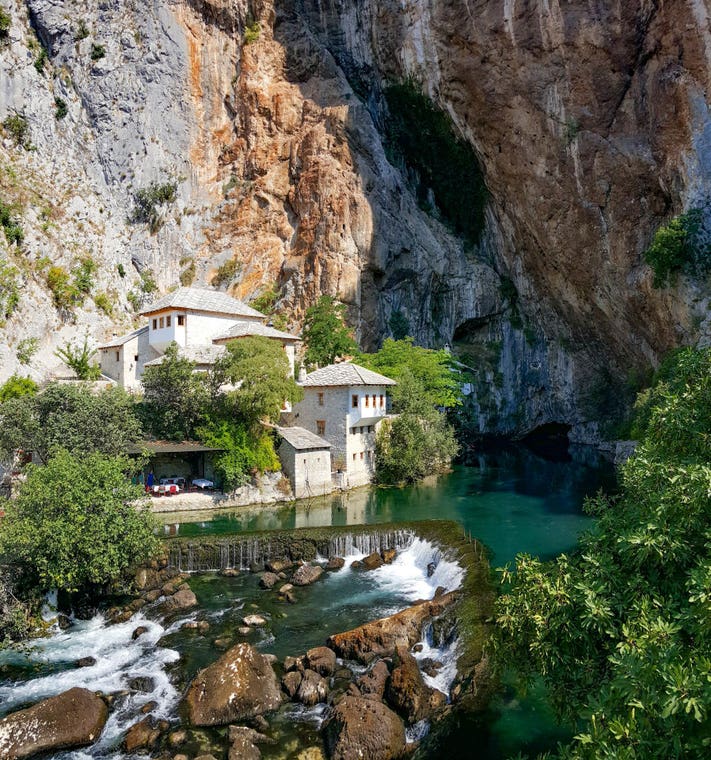
- Blagaj Tekke – Dervish monastery built in the 1500s at the base of a 200-meter cliff, straddling the crystal-clear Buna River spring. The natural and architectural ensemble is on UNESCO's tentative list
- Buna Spring – One of Europe's largest karst springs, flowing 43,000 liters per second from a cave. The water is so clear you can see trout swimming
- Riverside Lunch – Eat fresh trout at traditional restaurants along the river (try pržena pastrmka – fried trout)
Afternoon: Počitelj Medieval Village
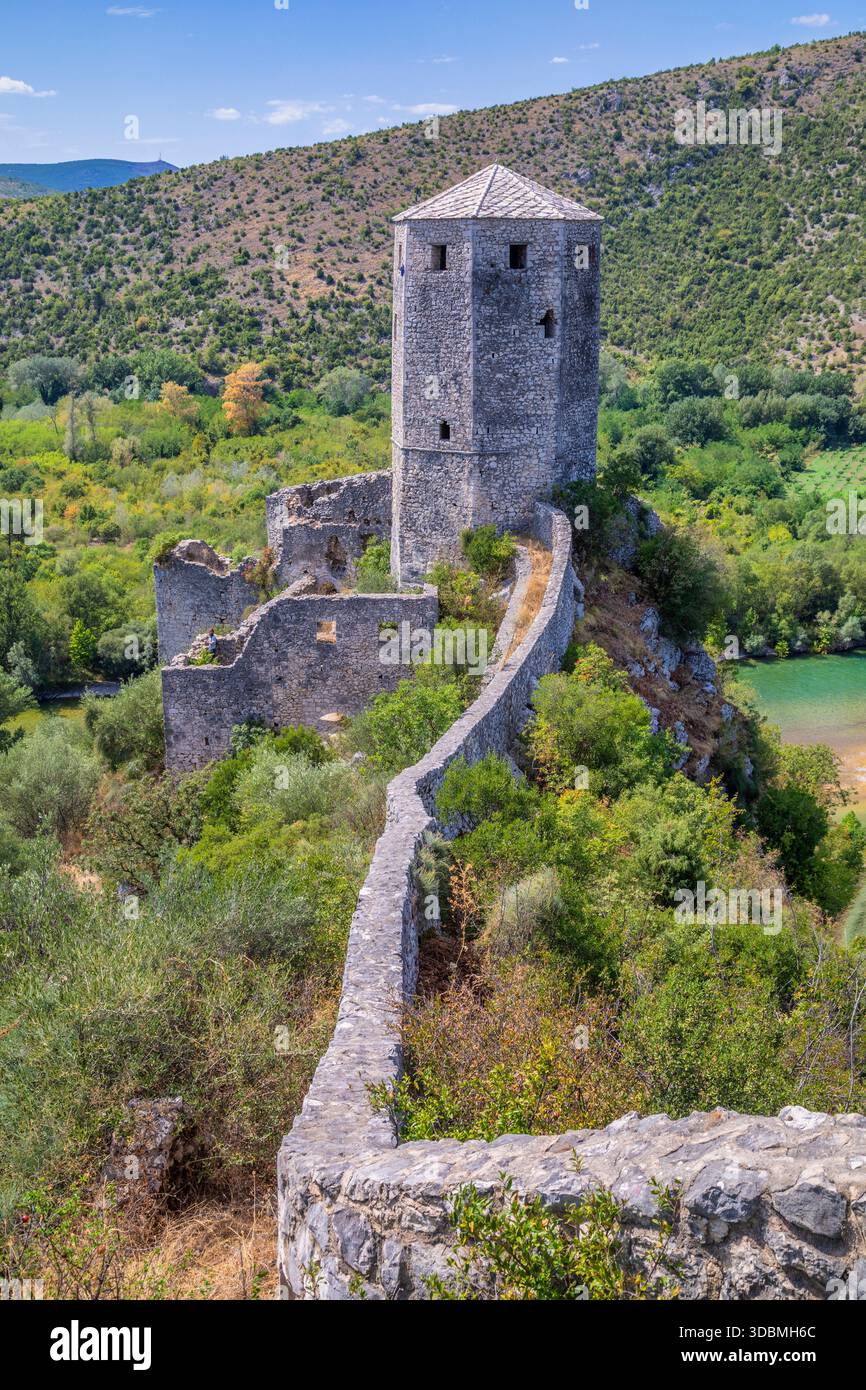
- Historic Walled Town – Built by King Tvrtko I in 1383, this Ottoman-era village perches on a hillside above the Neretva River. UNESCO tentative site
- Gavrankapetanović Tower – Climb the medieval tower for panoramic views of the river valley
- Clock Tower (Sahat-kula) – 17th-century Ottoman clock tower
- Hajji Alija Mosque – Beautiful mosque with original architectural features
- Fresh Juice – Try pomegranate, strawberry, or cherry juice from local vendors
Late Afternoon: Kravice Waterfalls
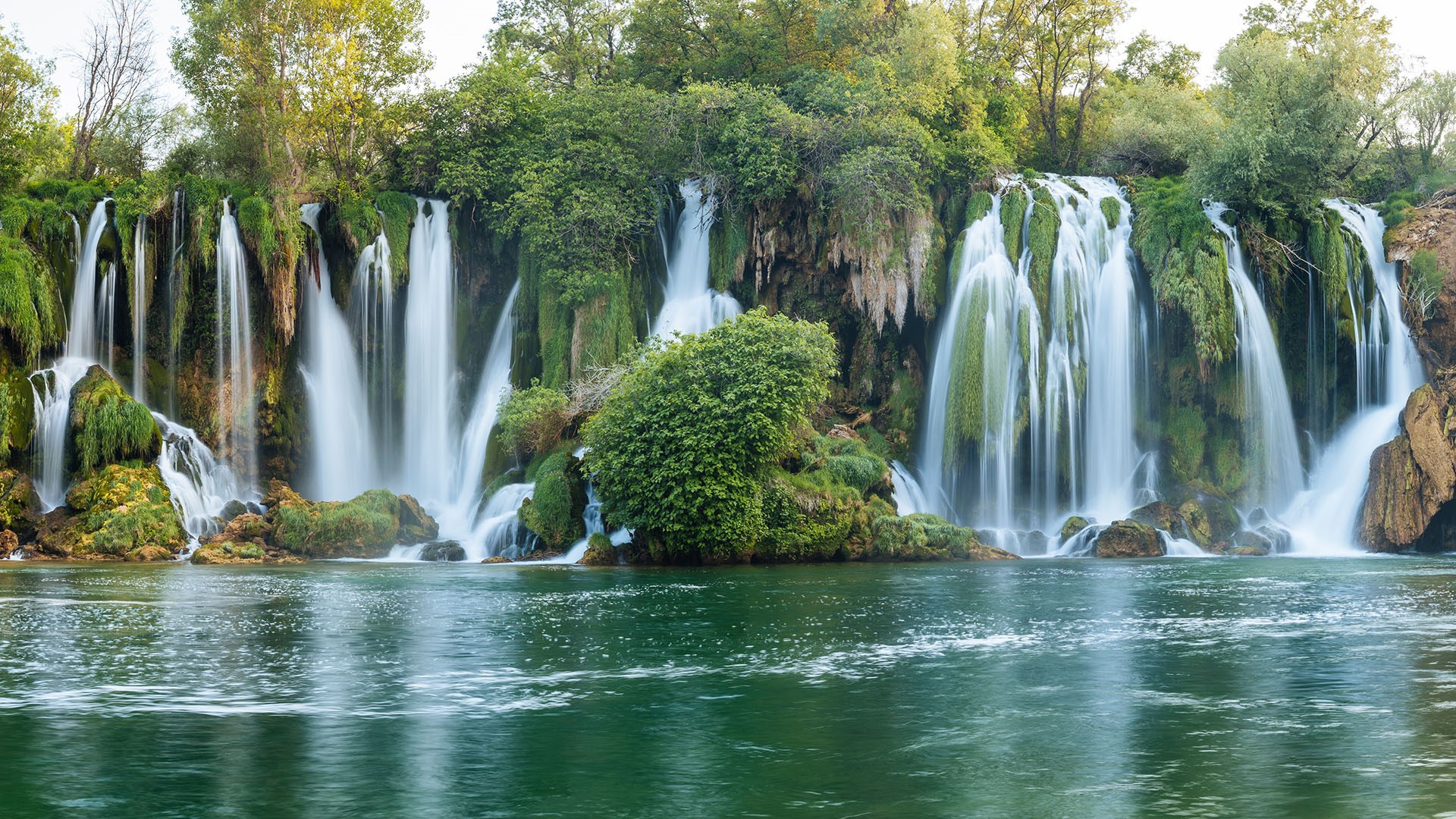
- Kravice Waterfalls – 28-meter high waterfall amphitheater spanning 120 meters across. Bosnia's most popular natural attraction
- Swimming – Take a refreshing dip in the natural pools (water temperature max 20°C even in summer)
- Boat Trip – €5 for 20 minutes to get close to the falls (rowing boat or motorboat)
- Mala Kravice – Hike 20-30 minutes downstream to see the smaller waterfall
Practical Info:
- Entrance Fee: 20 KM (€10) adults, 10 KM (€5) children
- Best Time: June or September (avoid July-August crowds)
- Facilities: Changing rooms, toilets, 3 restaurants in summer season
Evening: Arrive in Mostar
- Check-in and dinner in Mostar Old Town
🏨 Accommodation: Hotel in Mostar Old Town (near Stari Most)
---
DAY 4: MOSTAR – The Old Bridge
Symbol of Reconciliation
Morning: Stari Most (Old Bridge)
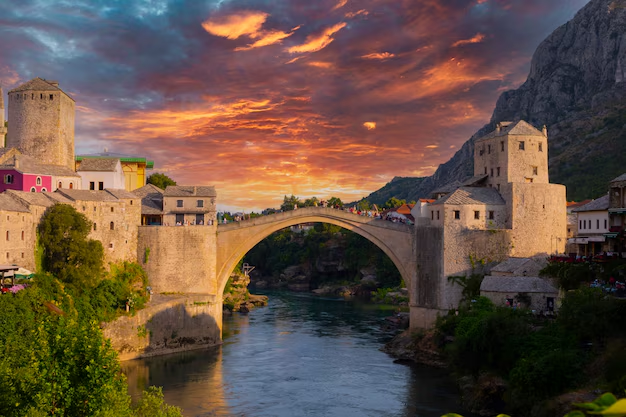
- Stari Most – UNESCO World Heritage 16th-century Ottoman bridge, destroyed in 1993 and rebuilt in 2004. The bridge's 28-meter span connects the Muslim east and Christian west sides of the city
- Diving Tradition – Watch locals dive from the bridge (24 meters) into the Neretva River (traditional since 1664, now UNESCO Intangible Cultural Heritage)
- Bridge Museums – Learn about the bridge's history and reconstruction
Afternoon: Exploring Mostar
- Old Bazaar (Kujundžiluk) – Cobblestone street with traditional copper craft shops, mosques, and cafes
- Koski Mehmed Pasha Mosque – Climb the minaret for the best view of Stari Most
- Muslibegović House – 17th-century Ottoman noble house, now a museum
- Partisan Cemetery – Brutalist memorial by Bogdan Bogdanović, offering panoramic city views
- War Photo Exhibition – Powerful exhibition documenting the 1990s conflict
Evening: Riverside Dining
- Neretva River Restaurants – Eat ražnjići (grilled meat skewers) or sogan-dolma (stuffed onions) with views of the illuminated bridge
Option: Stay another night in Mostar or return to Sarajevo (2.5 hours)
---
DAY 5 (OPTIONAL): CENTRAL BOSNIA
Royal Capitals & Waterfall Castles
For those extending to 5 days, explore the historic heart of Bosnia
Morning: Travnik – Former Ottoman Capital
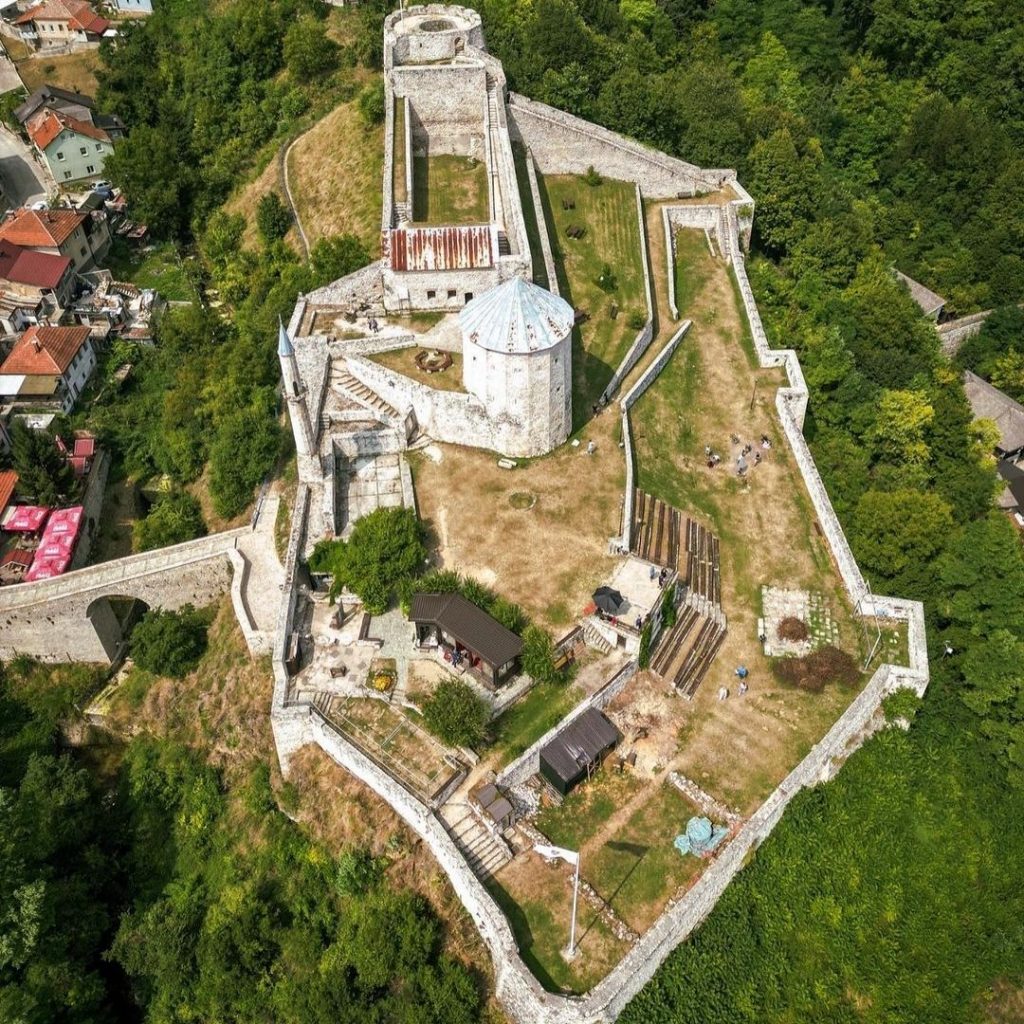
- Travnik Fortress (Stari Grad) – Medieval fortress with panoramic views of the city and Vlašić Mountain
- Šarena Džamija (Painted Mosque) – 16th-century mosque with vibrantly decorated interior, one of the most beautiful in the Balkans
- Plava Voda (Blue Water) – Crystal-clear spring at the city edge with riverside cafes. Try Bosnian coffee at Lutfine Kahva
- Ivo Andrić Museum – Birthplace of the Nobel Prize-winning author ("Bridge on the Drina")
- Lunch: Famous Travnik ćevapi at Ćevabdžinica Hari
Afternoon: Jajce – The Waterfall Town
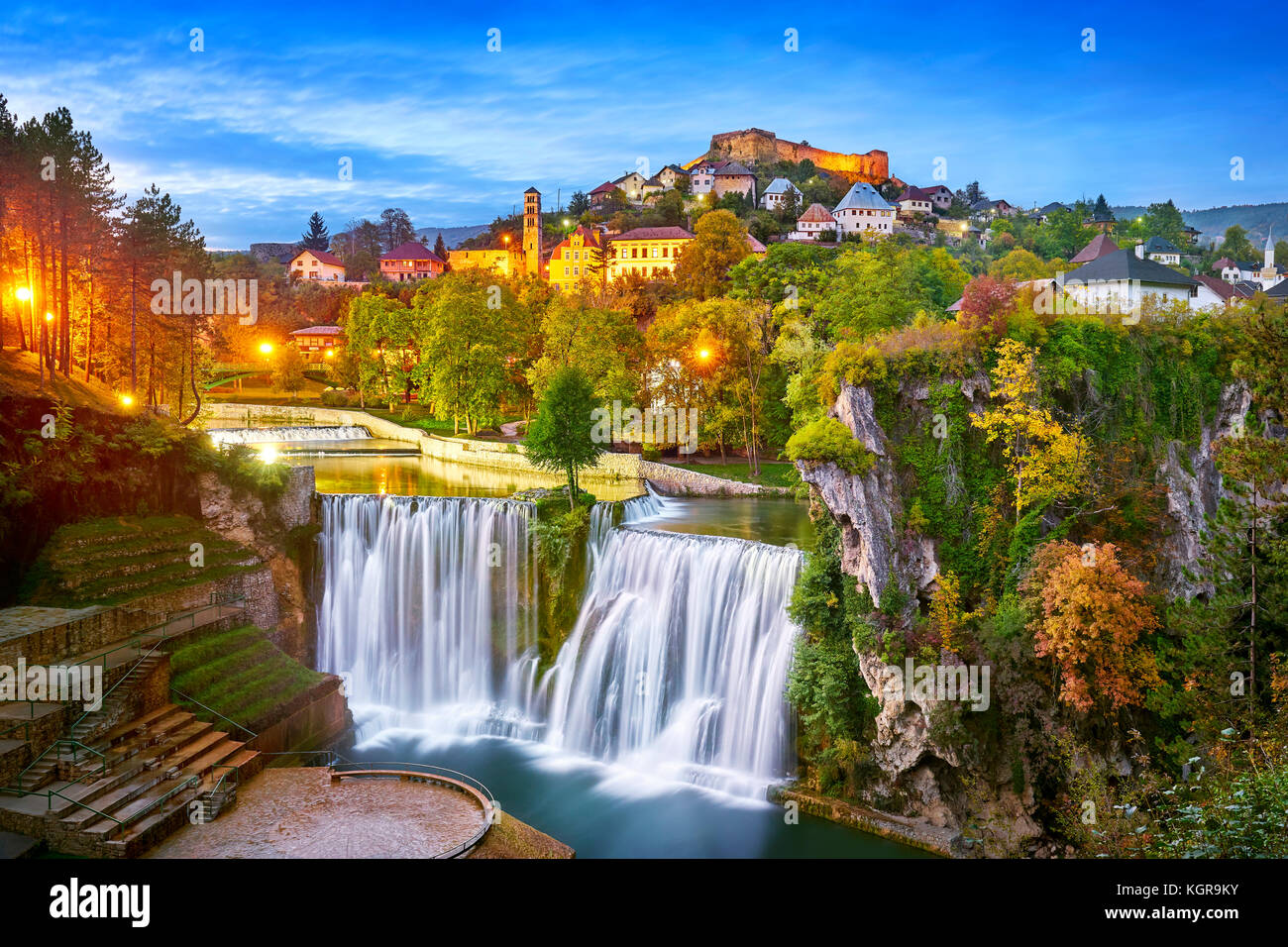
- Pliva Waterfall – Unique 17-meter waterfall in the town center where the Pliva River meets the Vrbas River. The only waterfall in the world located in a city center
- Jajce Fortress – 14th-century medieval castle with panoramic views. Former royal capital of the Bosnian kingdom
- Catacombs & St. Mary's Church – Medieval underground burial chamber and church ruins
- Pliva Lakes – Beautiful lakes with wooden watermills (mlinčići), perfect for a late afternoon walk
Return to Sarajevo (2.5 hours from Jajce)
---
PRACTICAL INFORMATION
Transportation
Route Distance Time Best Option
Sarajevo ↔️ Lukomir 90km 1.5 hours 4WD vehicle or hike
Sarajevo → Mostar (via Blagaj) 130km 2.5 hours Private car
Mostar → Kravice 43km 1 hour Private car/taxi
Sarajevo → Travnik 90km 1.5 hours Private car/bus
Travnik → Jajce 70km 1.5 hours Private car
Jajce → Sarajevo 160km 2.5 hours Private car
Estimated Costs (Per Person)
- Budget: €300-400 (hostels, public transport, local food)
- Mid-Range: €600-800 (3-star hotels, private transfers, guided tours)
- Luxury: €1,000+ (boutique hotels, private guides, fine dining)
Best Time to Visit
- Spring (April-June): Perfect weather, wildflowers, waterfalls at full strength
- Summer (July-August): Hot (35°C+), perfect for swimming at Kravice, busy season
- Autumn (September-October): Golden colors, harvest season, mild temperatures
- Winter (December-March): Snow in Lukomir (road closed), Christmas markets in Sarajevo, ski season on nearby mountains
Note: Lukomir is inaccessible by vehicle from November to May due to snow. The road literally disappears under several meters of snow
What to Pack
- Modest clothing for mosque/tekke visits (covered shoulders/knees)
- Comfortable hiking shoes for Lukomir and Počitelj
- Swimsuit & towel for Kravice waterfalls
- Layers – Mountain weather changes quickly
- Cash – Many rural areas don't accept cards
- Power adapter – European Type C/F plugs (220V)
---
MUST-TRY BOSNIAN FOOD
Dish Description Where to Try
Ćevapi Grilled minced meat fingers with somun bread Everywhere! Željo in Sarajevo, Hari in Travnik
Burek Flaky pastry with meat, cheese, or spinach Bakeries for breakfast
Begova Čorba Traditional chicken and vegetable soup Traditional restaurants
Bosanski Lonac Bosnian pot – slow-cooked meat and vegetables Mountain villages
Klepe Bosnian ravioli with meat or cheese Mostar restaurants
Tufahija Poached apple with walnut filling Dessert shops
Bosanska Kafa Thick Turkish-style coffee Every café
---
CULTURAL ETIQUETTE
- Greeting: "As-salam alaykum" (Muslim areas) or "Dobar dan" (general)
- Coffee: Accept coffee when offered – it's a sign of hospitality
- Mosques: Remove shoes, women cover hair (scarves usually provided)
- Photography: Ask before photographing people in Lukomir
- Tipping: 10% in restaurants, round up for taxis
---
EXTENSION OPTIONS
6-7 Days: Add Višegrad (Mehmed Paša Sokolović Bridge – UNESCO, Andrićgrad) and Srebrenica (memorial and cemetery)
8-10 Days: Continue to Montenegro (Kotor, Budva) or Croatia (Dubrovnik, Split)
Adventure Option: White-water rafting on the Neretva River or Tara River (Montenegro border)
---
This itinerary captures the soul of Bosnia & Herzegovina – from the cosmopolitan charm of Sarajevo and the iconic bridge of Mostar to the timeless mountain village of Lukomir and the refreshing waters of Kravice. It's a journey through living history where every stone tells a story of resilience and coexistence.
Would you like me to customize this itinerary further (add specific restaurant recommendations, hotel suggestions, or adjust for specific interests like photography or war history)?